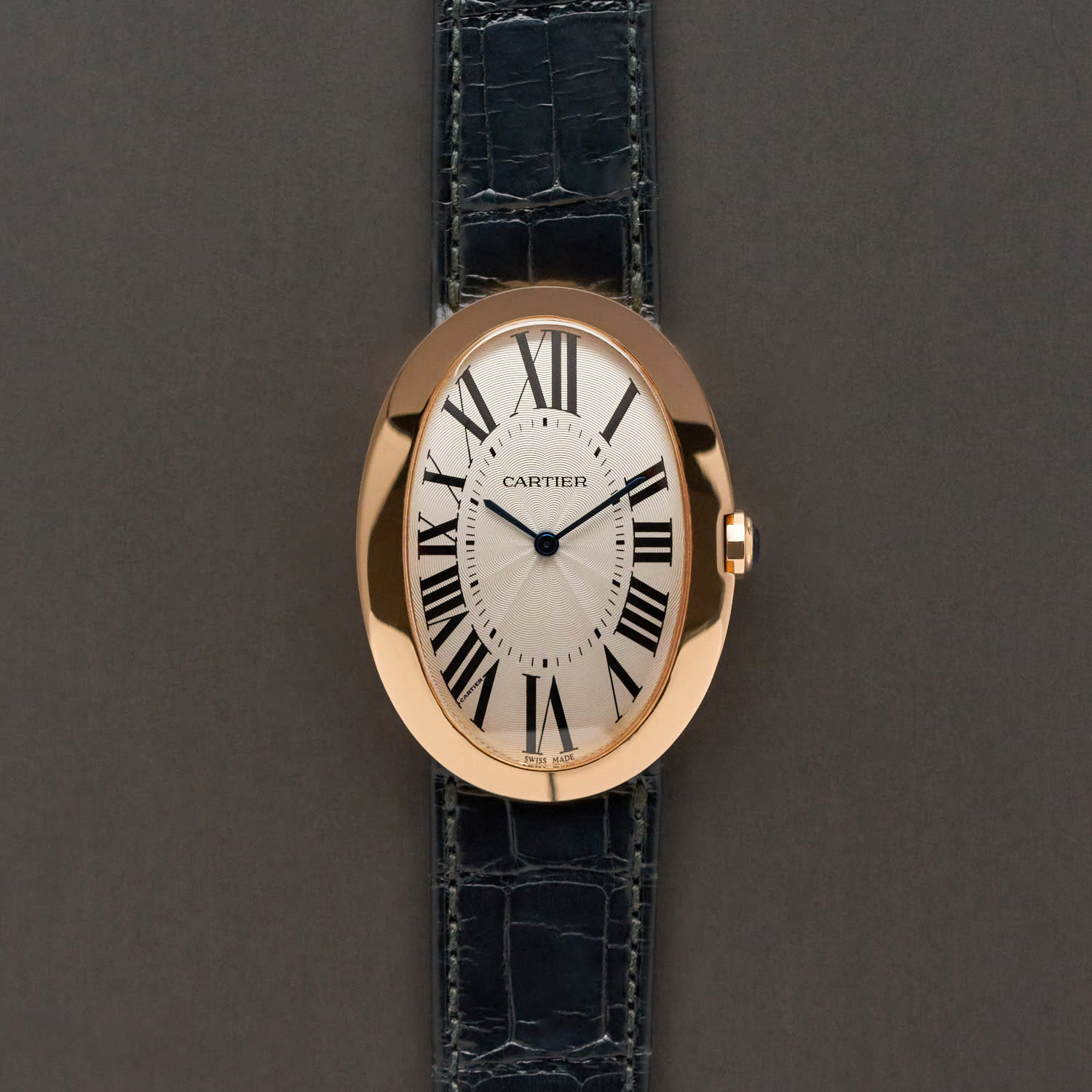
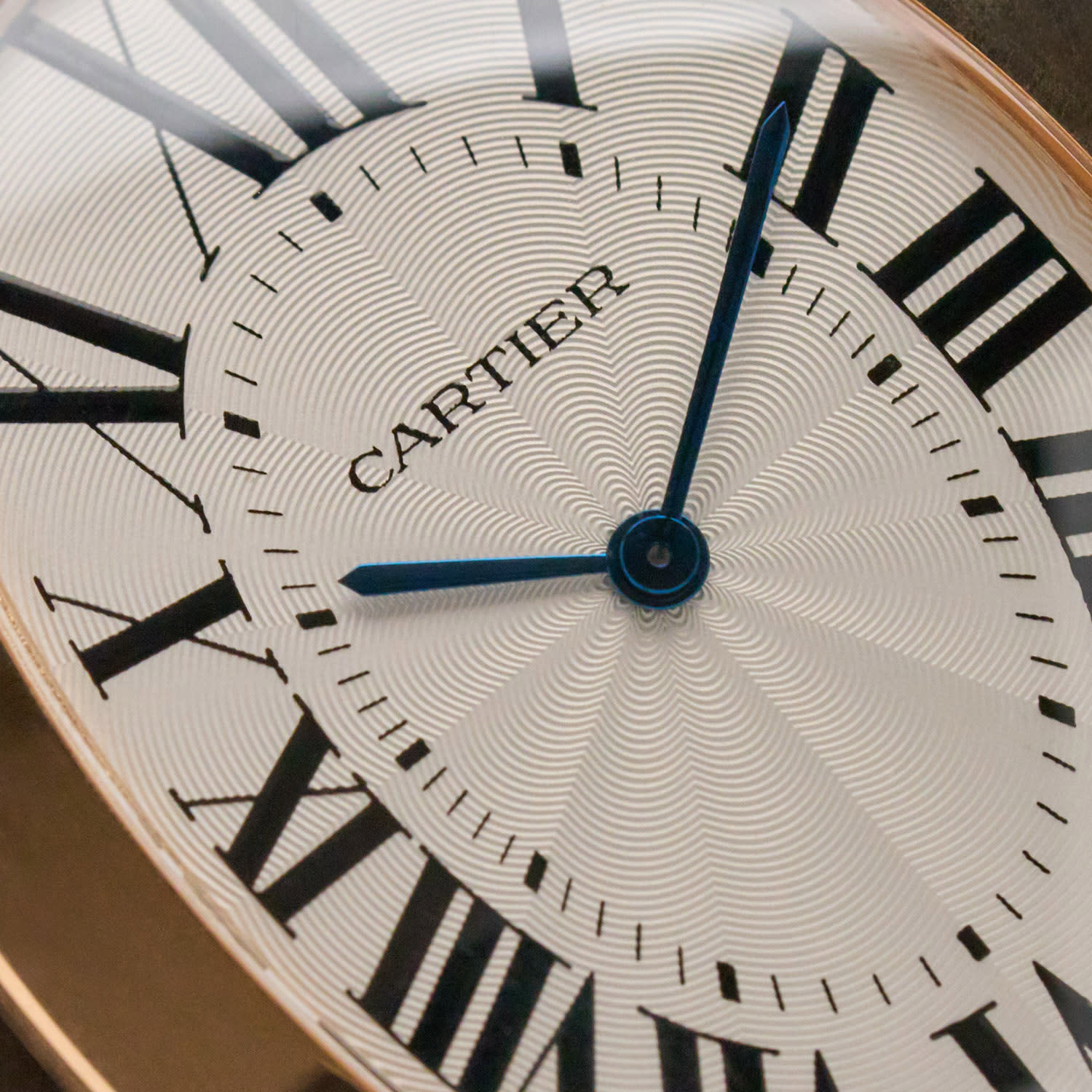
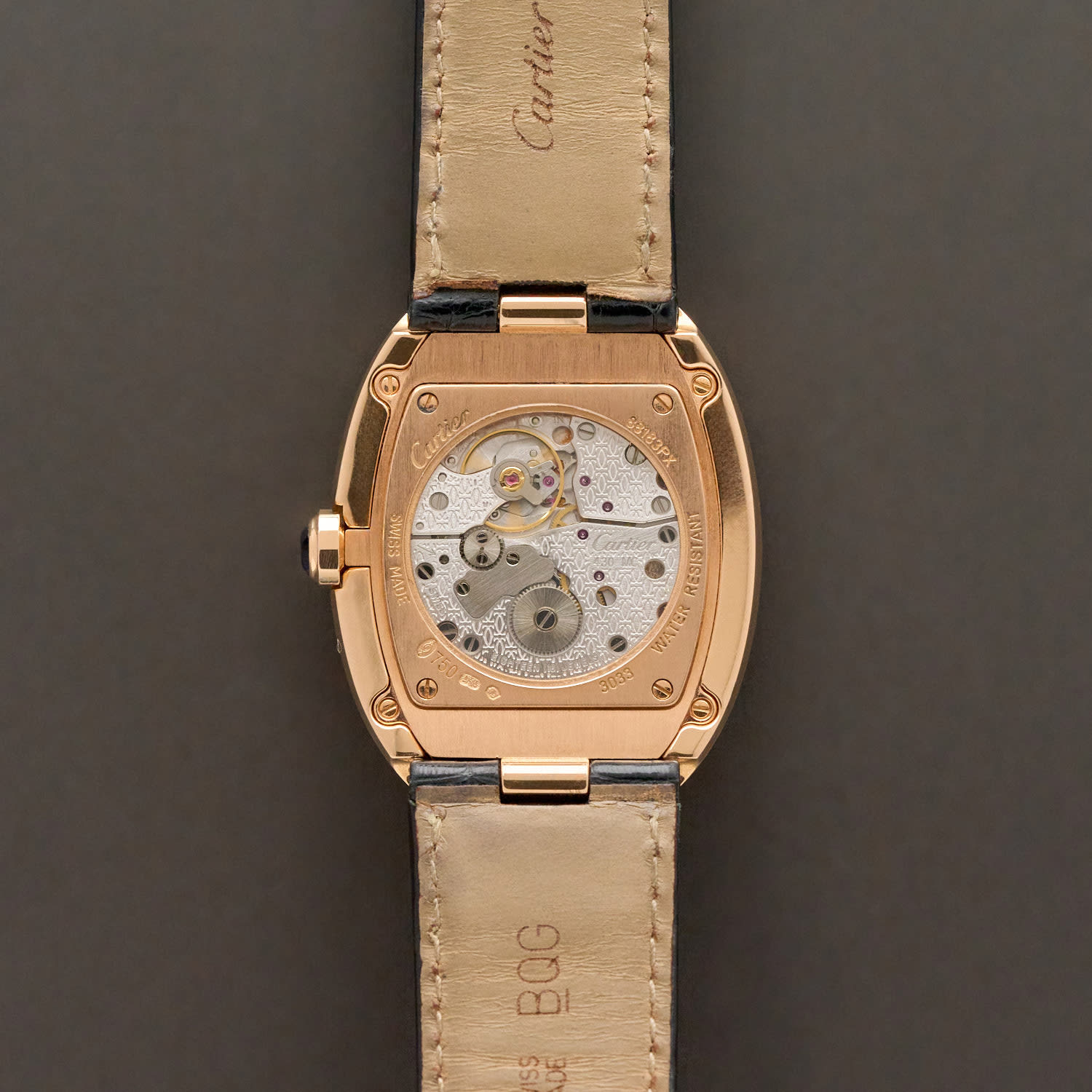
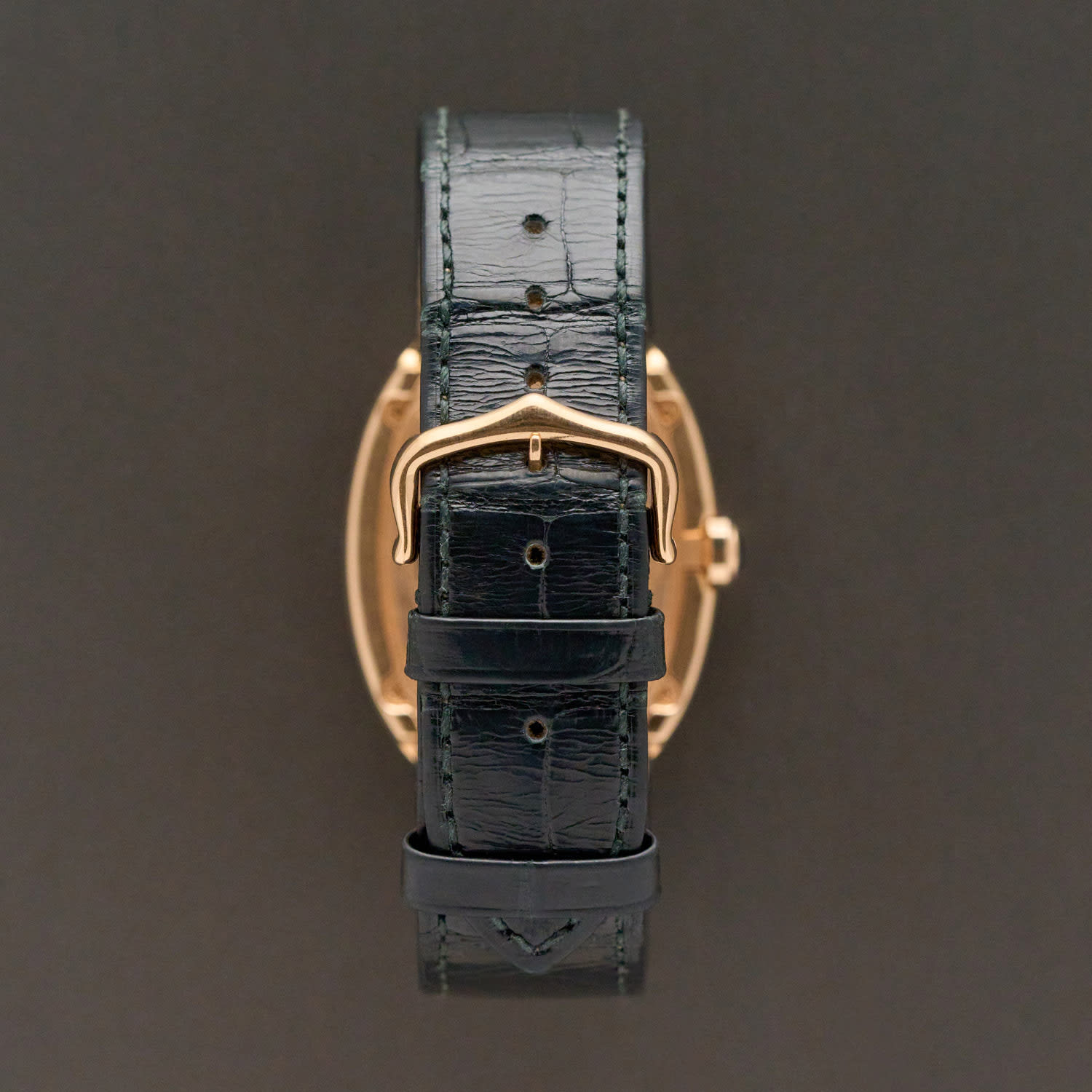
Cartier Baignoire XL 3033 - Opaline Guillochè Dial - 18K Rose Gold - Cartier Box
Rating:
mB+
Reserve:
No
Status:
Approved by Maurizio De Angelis
Set:
Box
Lot:
2026G0270
Sold For
XX,xxx €

hourglass
Ended
on Tue 05/13/2025
at 3:05 PM
(UTC)
visibility
Sign in to view the final sale price.
Log in

Description
Cartier Baignoire XL 3033 - Opaline Guillochè Dial - 18K Rose Gold - Cartier Box
Most people associate Cartier primarily with its prestigious jewelry collections, often overlooking its significant legacy as a master watchmaker.
Cartier was established in Paris in 1847 by Louis-François Cartier, who took over the workshop of his mentor. In 1874, Louis-François' son, Alfred, succeeded him, but it was Alfred's three sons—Louis, Pierre, and Jacques—who solidified Cartier's reputation on the global stage, each managing their own branches around the world (respectively Paris, London, New York).
Louis, the eldest of three, managed the Paris boutique from the late 19th century. Among his many contributions, Louis introduced platinum, then primarily used for industrial purposes, into jewelry (and, later, into watches). Notably at the time wristwatches were considered a women's accessory, and referred to as "wristlets," while men typically wore pocket watches.
Alberto Santos-Dumont, the renowned Brazilian aviator celebrated in turn-of-the-century Paris for his daring feat of circumnavigating the Eiffel Tower in an airship, approached his friend Louis Cartier with a unique request. He needed a timepiece that would allow him to check the time effortlessly while flying, as his pocket watch proved impractical. In 1904, Cartier responded by creating the first men's wristwatch, later named "Santos" in honor of its distinguished commissioner.
Louis Cartier believed strongly in the potential of his invention and continued to introduce new watch designs and shapes over the following decades, including the iconic Tank. He also partnered with the renowned French watchmaker Edmund Jaeger to create the finest, highest-quality movements and cases for Cartier's wristwatches and clocks. Though it wasn't until after the World Wars that men fully recognized the practicality of wristwatches, leading to the gradual decline of pocket watches.
The Cartier Baignoire was one of the first watch designs by Louis Cartier originating in 1912, and later evolving into its iconic elongated oval silhouette in 1958. The name "Baignoire"—French for "bathtub"—is often thought to reference its distinctive shape, it may instead draw inspiration from the elegant "baignoire" seating in opera houses, reflecting the watch's refined and sophisticated character. This design broke away from the conventional round watches of its time, embodying Cartier's pioneering spirit and commitment to artistic innovation.
Over the years, the Baignoire has seamlessly incorporated modern touches while preserving its timeless appeal. The large model brings a bolder presence to the wrist while maintaining the graceful lines and understated luxury that define the Cartier Baignoire. Ideal for those who seek a statement piece with refined elegance, it is available in a variety of materials, including yellow gold, rose gold, and stainless steel. These models are often paired with either leather straps or metal bracelets, offering versatility and enduring style.
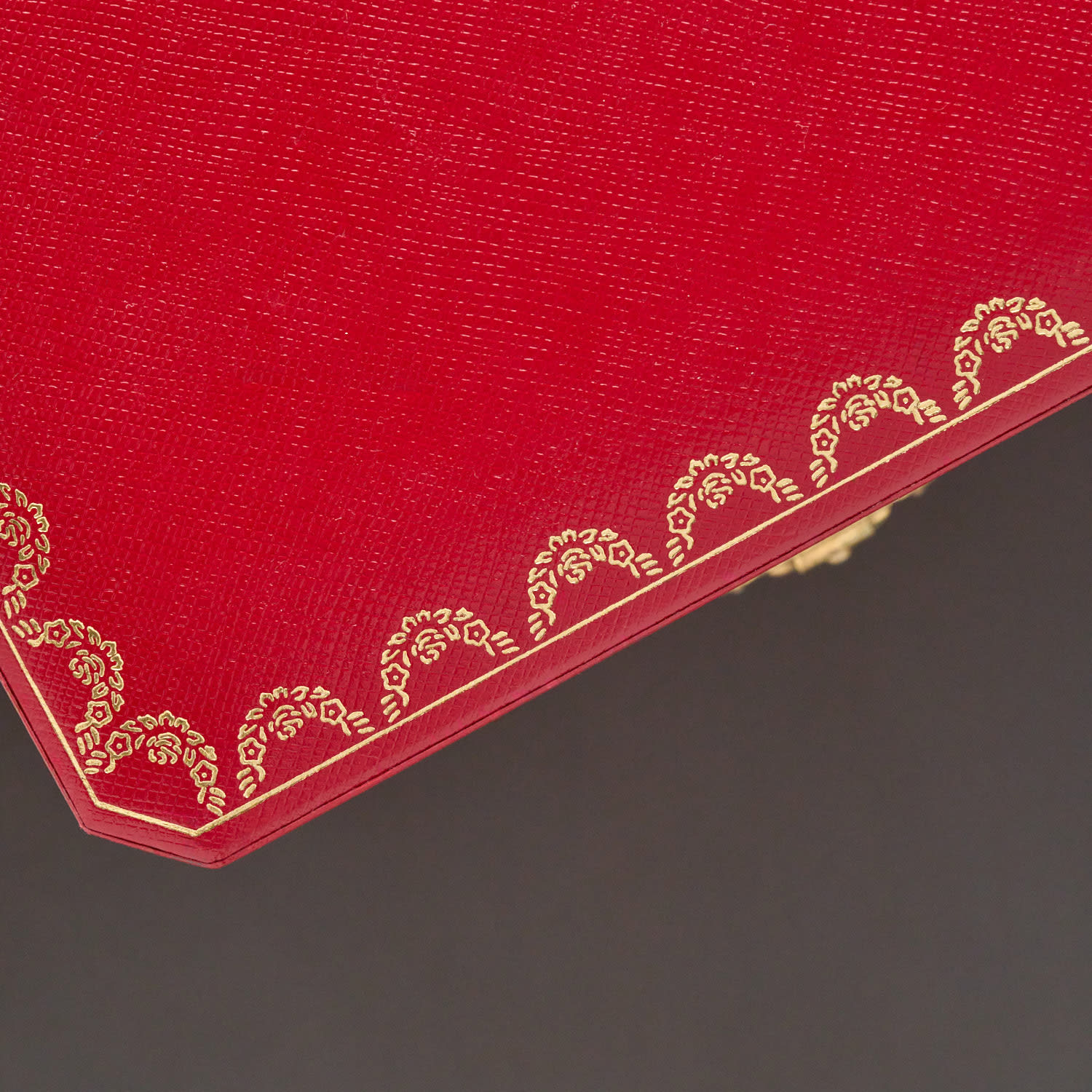
This example, dating to the 1990s, is accompanied by its original red Cartier box, and features a stunning 18k rose gold case preserved in excellent condition.
Buyer protections
- Payments and personal data will be handled confidentially.
- All watches undergo rigorous quality checks by experts.
Details
| BRAND | Cartier |
|---|---|
| BRAND | Cartier |
| MODEL | Baignoire XL |
| REFERENCE | 3033 |
| YEAR | 1990s |
| CASE SIZE | 34mm x 44mm |
| CASE MATERIAL | 18k Rose Gold |
| STRAP/BRACELET MATERIAL | Black Leather |
| GLASS | Sapphire Crystal |
| MOVEMENT | Manual-wind Cal. Cartier 430MC |
| DIAL | Opaline Guillochè with Black Roman Numerals |
| BEZEL | 18k Rose Gold |
| CLASP/BUCKLE | 18k Rose Gold Ardillon |
| RATING | MB+ |
| SET | Box |